
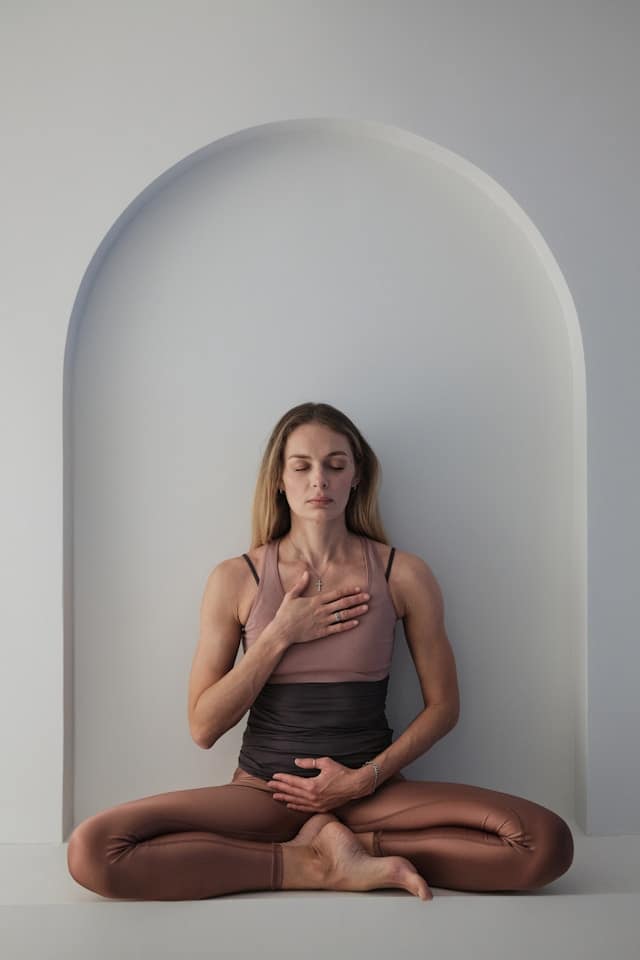
Explorative Yoga is a dynamic and introspective practice that encourages individuals to delve deeper into their physical, mental, and emotional states through the lens of yoga. Unlike traditional yoga classes that may follow a set sequence of postures or focus on achieving specific physical goals, Explorative Yoga emphasizes self-discovery, creativity, and personal growth. It is a journey of internal exploration, where the practitioner is invited to listen to their body and mind, experiment with different movements, and uncover new insights about themselves.
The foundation of Explorative Yoga is built on the principles of mindfulness, curiosity, and open-mindedness. The practice encourages individuals to move beyond their comfort zones and habitual patterns, fostering a sense of playfulness and experimentation. It is less about perfecting poses and more about understanding one's unique body mechanics, emotional responses, and mental states.
Explorative Yoga is a dynamic and introspective practice that encourages individuals to delve deeper into their physical, mental, and emotional states through the lens of yoga. Unlike traditional yoga classes that may follow a set sequence of postures or focus on achieving specific physical goals, Explorative Yoga emphasizes self-discovery, creativity, and personal growth. It is a journey of internal exploration, where the practitioner is invited to listen to their body and mind, experiment with different movements, and uncover new insights about themselves.
The foundation of Explorative Yoga is built on the principles of mindfulness, curiosity, and open-mindedness. The practice encourages individuals to move beyond their comfort zones and habitual patterns, fostering a sense of playfulness and experimentation. It is less about perfecting poses and more about understanding one's unique body mechanics, emotional responses, and mental states.
A typical Explorative Yoga session begins with grounding techniques, such as breath awareness and gentle movements, to help participants center themselves and tune into their bodies. The instructor may guide the class through a series of prompts and questions designed to spark curiosity and encourage self-inquiry. For example, participants might be asked to explore how different parts of their body feel in a particular posture or to notice any emotional or mental shifts that occur during the practice.
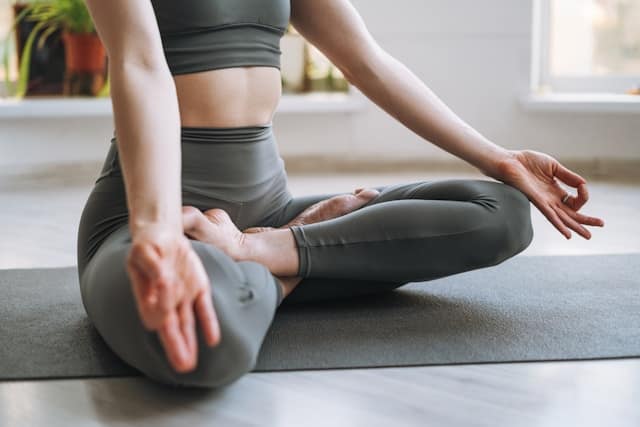
The physical component of Explorative Yoga is fluid and adaptable. Rather than adhering to a fixed sequence, the practice allows for spontaneous and intuitive movement. Participants are encouraged to vary their approach to familiar poses, experiment with new variations, and explore the transitions between postures. This freedom to move and play fosters a deeper connection with the body and helps to release tension and rigidity.
Breath work (pranayama) and meditation are integral to Explorative Yoga. These practices help to cultivate a state of presence and awareness, allowing participants to observe their thoughts, emotions, and sensations without judgment. Breath work techniques may include deep diaphragmatic breathing, alternate nostril breathing, or breath retention, each offering a unique way to explore the connection between breath and body.
Meditation in Explorative Yoga often involves guided visualizations, body scans, or mindfulness exercises that encourage self-reflection and insight. Participants are invited to explore their inner landscapes, noticing patterns of thought, emotional triggers, and areas of resistance or ease.
A typical Explorative Yoga session begins with grounding techniques, such as breath awareness and gentle movements, to help participants center themselves and tune into their bodies. The instructor may guide the class through a series of prompts and questions designed to spark curiosity and encourage self-inquiry. For example, participants might be asked to explore how different parts of their body feel in a particular posture or to notice any emotional or mental shifts that occur during the practice.
The physical component of Explorative Yoga is fluid and adaptable. Rather than adhering to a fixed sequence, the practice allows for spontaneous and intuitive movement. Participants are encouraged to vary their approach to familiar poses, experiment with new variations, and explore the transitions between postures. This freedom to move and play fosters a deeper connection with the body and helps to release tension and rigidity.
Breath work (pranayama) and meditation are integral to Explorative Yoga. These practices help to cultivate a state of presence and awareness, allowing participants to observe their thoughts, emotions, and sensations without judgment. Breath work techniques may include deep diaphragmatic breathing, alternate nostril breathing, or breath retention, each offering a unique way to explore the connection between breath and body.
Meditation in Explorative Yoga often involves guided visualizations, body scans, or mindfulness exercises that encourage self-reflection and insight. Participants are invited to explore their inner landscapes, noticing patterns of thought, emotional triggers, and areas of resistance or ease.

Key Benefits
- Physically, it can enhance flexibility, strength, and coordination, while also promoting greater body awareness and proprioception.
- Mentally and emotionally, it fosters a sense of curiosity, creativity, and open-mindedness, helping individuals to break free
Fees
60 minutes ______________________________ 100£
90 minutes ______________________________ 130£
For Home Visits or Emergencies appointments outside the clinic’s working hours, please get in touch at info@stateofchange-clinic.com or call us at +44 (0)203 301 3398 to check our availability.